
Welcome to Comfort Connect
Comfort Connect is where natural gas education meets efficiency inspiration.
As a natural gas provider, our goal is to deliver safe, reliable energy to homes and businesses—while empowering you to make confident energy decisions.
Explore practical tips to lower costs, learn how to weatherize your home and optimize your heating system, and explore a range of payment options tailored to suit your preferences.
You’ll also find answers to questions like:
- How are natural gas prices determined?
- What should you do to keep gas meter areas clear and safe for service?
- How do smart thermostats help save money and improve efficiency?
- What are the benefits of installing a natural gas backup generator?
- What local and state energy aid programs are available?
Understanding the Basics of Insulation
Home Insulation Made Simple
Proper insulation is a key factor in helping to keep your home comfortable and energy efficient. Insulation helps regulate the flow of heat in and out of your home, ensuring you stay warm in the winter and cool in the summer. When combined with other energy saving measures, your energy smart actions can help keep your home’s ecosystem thriving and monetary savings cozy in your wallet, too!
What is R-Value?
The effectiveness of insulation is measured by what’s known as the R-value, which is its thermal resistance, or how well it resists heat flow. The higher the R-value, the better the insulation will perform.
The recommended R-value for your home depends on several factors, including what part of the house you’re insulating (like your attic, the walls, or the basement), where you live, and the materials used to build your home. It’s also affected by the type of heating and cooling you use for your home, and the level of humidity in your region.
To learn more about how insulation works and how R-value works in correlation to where you live, visit the Energy Star website.
Different Types of Insulation
There are three types of insulation: fiber, foam, and reflective.
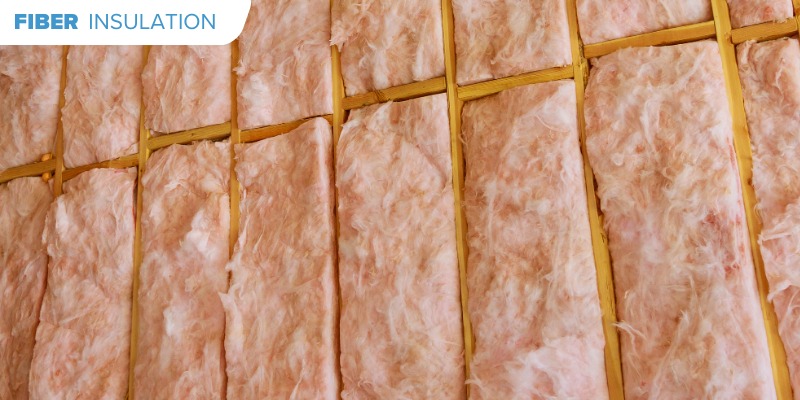
Fiber insulation comes in what’s called “loose fill” or “batts.”
Loose fill insulation is usually blown through a large hose into a wall or the cavities in an attic. It’s typically installed by a professional, made of fiberglass, cellulose, or rockwool, and can offer excellent coverage. The R-value per inch with loose fill insulation ranges from R-2.2 (fiberglass) to R-3.2 (cellulose/rockwool).
Batts are insulation that is pre-cut into sheets and look like small blankets. They are usually made of fiberglass or mineral wool and have a R-value of R-3.2 per inch.
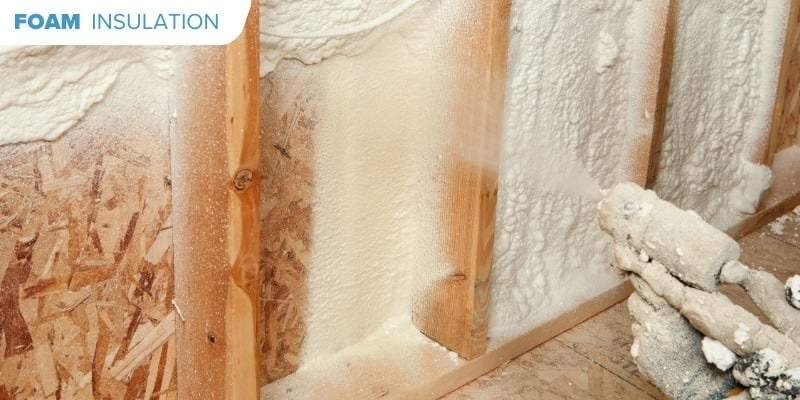
Foam insulation is available as rigid sheets or sprays.
Rigid sheets tend to be more expensive, but they also offer a higher R-value per inch than fiber insulation. One thing to watch out for with rigid sheet insulation is that it can attract termites or ants, so you need to watch and treat them if necessary.
Spray foam insulation is versatile due to its makeup and can create a solid barrier against drafts. Although most spray foam insulation has a R-value between R-4 and R-6, some spray products can insulate as high as R-11 per inch.
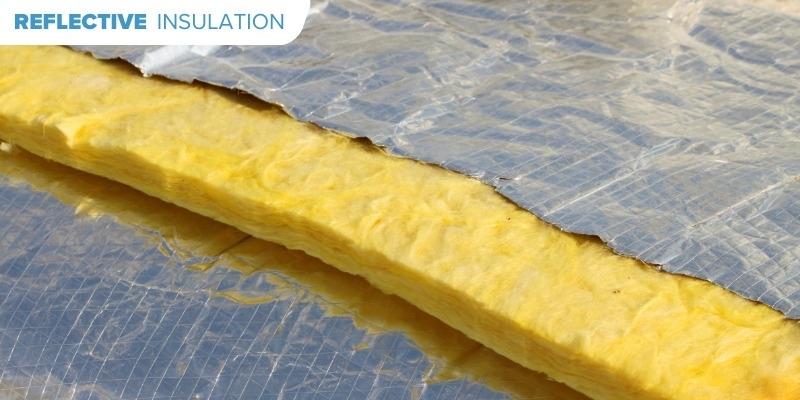
The third type of insulation is reflective. It works how its name implies, by reflecting radiant heat instead of slowing the heat flow. It’s most effective when installed next to an air gap, which is the space between two surfaces, such as the floor and your wall. Reflective insulation can provide a R-value up to R-8. However, it’s not meant to be the only type of insulation used in a home and should be in conjunction with fiber or foam.
Tips for Choosing and Installing Insulation
Before you decide which insulation is best for your home, consider these steps:
Where to Insulate: Determine where you need insulation—attics, walls, or floors—and review the recommended R-values for those areas.
Factor in Climate and Home Design: Your location and your home’s construction will affect which insulation you should use.
DIY vs. Professional Installation: If you’re installing insulation yourself, carefully follow the manufacturer’s instructions and ensure compliance with your local building and fire codes. Fiberglass and mineral wool insulation often come with detailed DIY guides.
Make the Most of Your Insulation Efforts
Creating a more energy efficient home takes more than just good insulation. DIY solutions can go a long way toward helping keep costs down:
In the morning, open your curtains and blinds on south-facing windows to allow sunlight to naturally warm your home. Once the sun sets, close them to trap the heat inside.
Try using a programmable thermostat to control your home’s temperature when you’re away or sleeping. These devices can help you ensure comfort when you need it and savings when you don’t.
If you’re looking to upgrade your appliances, look at the Energy Star ratings to help with your decisions. Products with this certification meet strict energy efficiency guidelines set by the U.S. Environmental Protection Agency, and they can help reduce your home's energy consumption and contribute to a cleaner environment.
Think of the savings! We offer rebates for energy efficient appliances, including heating systems, smart thermostats, shower heads and more.
Final Thoughts
Proper insulation helps equate to an energy-efficient home. The right insulation can help significantly lower your energy bills while keeping your home comfortable year-round.
Conducting thorough research is key when updating your home’s insulation. Consider the right R-value for your location, the type of insulation you should use, and whether to DIY or hire a licensed professional. Follow the instructions carefully if you take the DIY route, otherwise be sure to use a licensed professional.
Interested in more tips? Check out our Residential Energy Saving Tips page!
Discover the comfort and convenience that natural gas can bring to your home or business. Stay warm, stay informed, and stay connected with Comfort Connect.
Jan 13, 2025
Understanding the Basics of Insulation
Home Insulation Made Simple
Proper insulation is a key factor in helping to keep your home comfortable and energy efficient. Insulation helps regulate the flow of heat in and out of your home, ensuring you stay warm in the winter and cool in the summer. When combined with other energy saving measures, your energy smart actions can help keep your home’s ecosystem thriving and monetary savings cozy in your wallet, too!
What is R-Value?
The effectiveness of insulation is measured by what’s known as the R-value, which is its thermal resistance, or how well it resists heat flow. The higher the R-value, the better the insulation will perform.
The recommended R-value for your home depends on several factors, including what part of the house you’re insulating (like your attic, the walls, or the basement), where you live, and the materials used to build your home. It’s also affected by the type of heating and cooling you use for your home, and the level of humidity in your region.
To learn more about how insulation works and how R-value works in correlation to where you live, visit the Energy Star website.
Different Types of Insulation
There are three types of insulation: fiber, foam, and reflective.
Fiber insulation comes in what’s called “loose fill” or “batts.”
Loose fill insulation is usually blown through a large hose into a wall or the cavities in an attic. It’s typically installed by a professional, made of fiberglass, cellulose, or rockwool, and can offer excellent coverage. The R-value per inch with loose fill insulation ranges from R-2.2 (fiberglass) to R-3.2 (cellulose/rockwool).
Batts are insulation that is pre-cut into sheets and look like small blankets. They are usually made of fiberglass or mineral wool and have a R-value of R-3.2 per inch.
Foam insulation is available as rigid sheets or sprays.
Rigid sheets tend to be more expensive, but they also offer a higher R-value per inch than fiber insulation. One thing to watch out for with rigid sheet insulation is that it can attract termites or ants, so you need to watch and treat them if necessary.
Spray foam insulation is versatile due to its makeup and can create a solid barrier against drafts. Although most spray foam insulation has a R-value between R-4 and R-6, some spray products can insulate as high as R-11 per inch.
The third type of insulation is reflective. It works how its name implies, by reflecting radiant heat instead of slowing the heat flow. It’s most effective when installed next to an air gap, which is the space between two surfaces, such as the floor and your wall. Reflective insulation can provide a R-value up to R-8. However, it’s not meant to be the only type of insulation used in a home and should be in conjunction with fiber or foam.
Tips for Choosing and Installing Insulation
Before you decide which insulation is best for your home, consider these steps:
Where to Insulate: Determine where you need insulation—attics, walls, or floors—and review the recommended R-values for those areas.
Factor in Climate and Home Design: Your location and your home’s construction will affect which insulation you should use.
DIY vs. Professional Installation: If you’re installing insulation yourself, carefully follow the manufacturer’s instructions and ensure compliance with your local building and fire codes. Fiberglass and mineral wool insulation often come with detailed DIY guides.
Make the Most of Your Insulation Efforts
Creating a more energy efficient home takes more than just good insulation. DIY solutions can go a long way toward helping keep costs down:
In the morning, open your curtains and blinds on south-facing windows to allow sunlight to naturally warm your home. Once the sun sets, close them to trap the heat inside.
Try using a programmable thermostat to control your home’s temperature when you’re away or sleeping. These devices can help you ensure comfort when you need it and savings when you don’t.
If you’re looking to upgrade your appliances, look at the Energy Star ratings to help with your decisions. Products with this certification meet strict energy efficiency guidelines set by the U.S. Environmental Protection Agency, and they can help reduce your home's energy consumption and contribute to a cleaner environment.
Think of the savings! We offer rebates for energy efficient appliances, including heating systems, smart thermostats, shower heads and more.
Final Thoughts
Proper insulation helps equate to an energy-efficient home. The right insulation can help significantly lower your energy bills while keeping your home comfortable year-round.
Conducting thorough research is key when updating your home’s insulation. Consider the right R-value for your location, the type of insulation you should use, and whether to DIY or hire a licensed professional. Follow the instructions carefully if you take the DIY route, otherwise be sure to use a licensed professional.
Interested in more tips? Check out our Residential Energy Saving Tips page!




Terms of Use | Privacy & Cookie Policy | Careers | Newsroom | Contact Us
© 2026 Summit Utilities Inc. All rights reserved. | Sitemap