
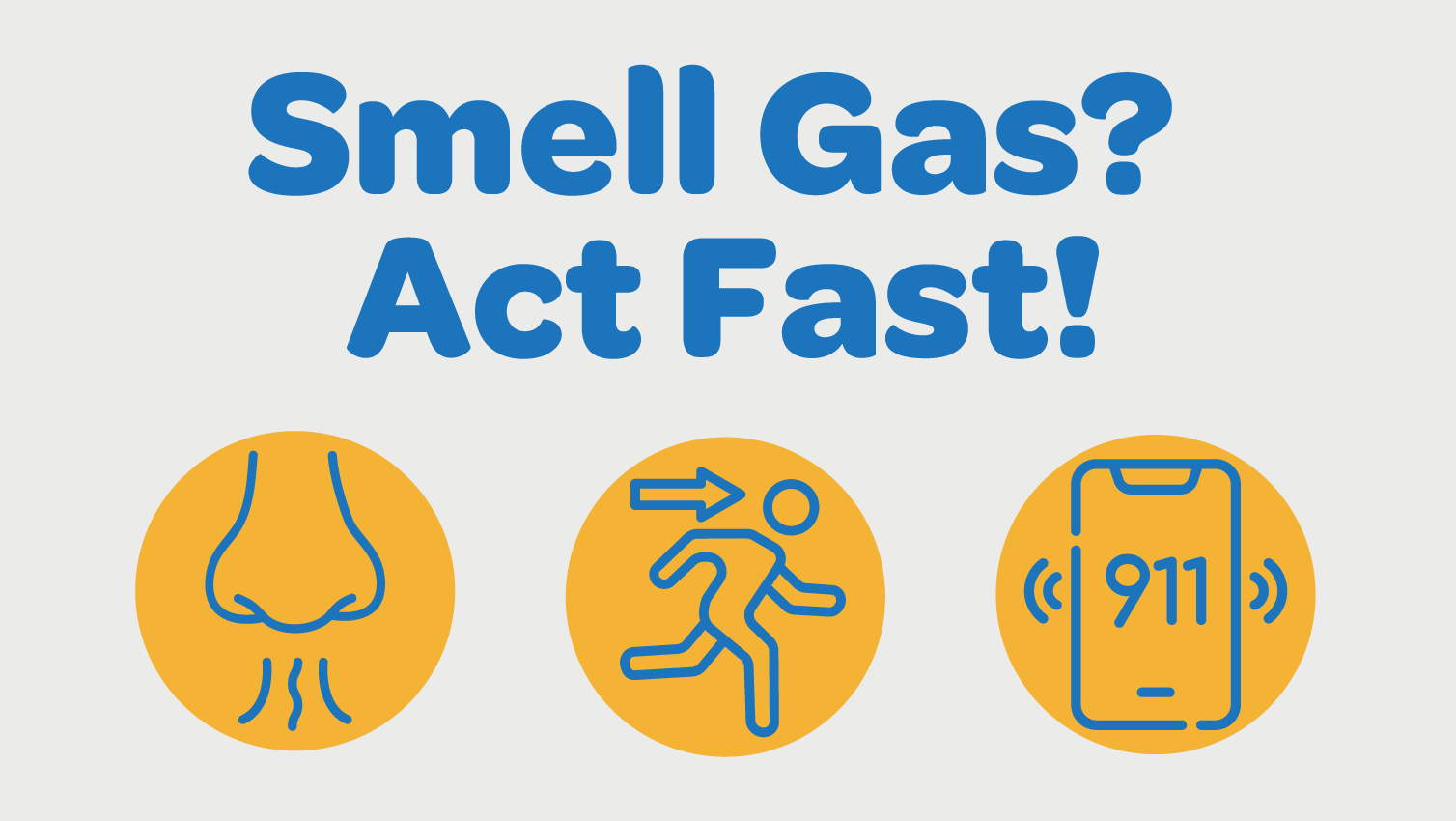
In the event of a natural gas emergency, call 911 and Summit Utilities at 800-992-7552.
Summit Utilities is dedicated to the safety and reliability of our natural gas systems.
Transportation by pipeline is the safest form of energy delivery in the country. In fact, natural gas pipelines transport approximately one-fourth of the energy consumed in the United States and is delivered to customers through over 3 million miles of piping. We conscientiously monitor and maintain our pipeline systems to ensure the safe and reliable delivery of natural gas to your home.
PURPOSE & RELIABILITY
The purpose of our gas system is to provide the public, both residential and commercial enterprises, with a clean, economical, and safe energy source for a variety of uses. Summit Utilities works diligently to ensure pipeline safety and reliability through a variety of ways, including inspection programs, public education, pipeline markers, facility mapping, surveys, patrolling, pressure monitoring, odorization, and liaison with public officials.
Summit Utilities is committed to the safety, health and environment of your community.
Learn more about safety information.
_eng-span_cover.jpg?sfvrsn=cf561a45_1)
Learn More About Natural Gas Safety







Safety is our top priority!
We are constantly working to ensure the integrity of our systems to keep our gas systems safe.
Corrugated Stainless Steel Tubing (CSST) Safety
Corrugated stainless steel tubing (CSST) is a flexible, stainless steel piping system used to supply natural gas and propane in residential, commercial, and industrial structures. Standard CSST is coated with a yellow exterior plastic coating. It has been safely used in homes and businesses since 1990 and is an effective means of delivering natural gas and propane gas to homes and businesses. CSST has typically 75% fewer fittings than traditional pipe which means a safer system, less leak potential and reduced callbacks.
Like all gas piping systems, CSST must be properly installed by a qualified professional and in accordance with the Manufacturer’s Design and Installation (D&I) Guide, which now expressly includes bonding and grounding of the system in new installations. A bonding connection installed on a gas piping system, as with any metallic system within a house, will reduce the likelihood of electrical arcing to or from other bonded metallic systems in the structure.
However, some previously installed CSST systems prior to 2006 may not have the proper bonding for optimal safety: If lightning strikes on or near a structure, there is risk it can travel through the structure’s gas piping system and cause a leak, and in some cases a fire. If you have yellow CSST that was installed prior to 2006, it’s possible that it does not meet current installation requirements, and it is strongly recommended that you contact a licensed electrician to make sure that your system is properly bonded.
Note: CSST should not be confused with flexible gas appliance connectors – the product that joins a movable appliance to your home or building’s gas supply line. The difference is flexible connectors attach directly to the movable appliance from the wall or floor. CSST is usually routed beneath, through and alongside floor joists in your basement, inside interior wall cavities and on top of ceiling joists in attic spaces.







Terms of Use | Privacy & Cookie Policy | Careers | Newsroom | Contact Us
© 2026 Summit Utilities Inc. All rights reserved. | Sitemap